
Exercise & Pregnancy: The Do’s & Don’ts
For many years, pregnant women were told to “take it easy” and to avoid exercise or challenging themselves physically. Thankfully research now shows that not only is it safe for women, but actually beneficial, writes Yasmin McIsted.
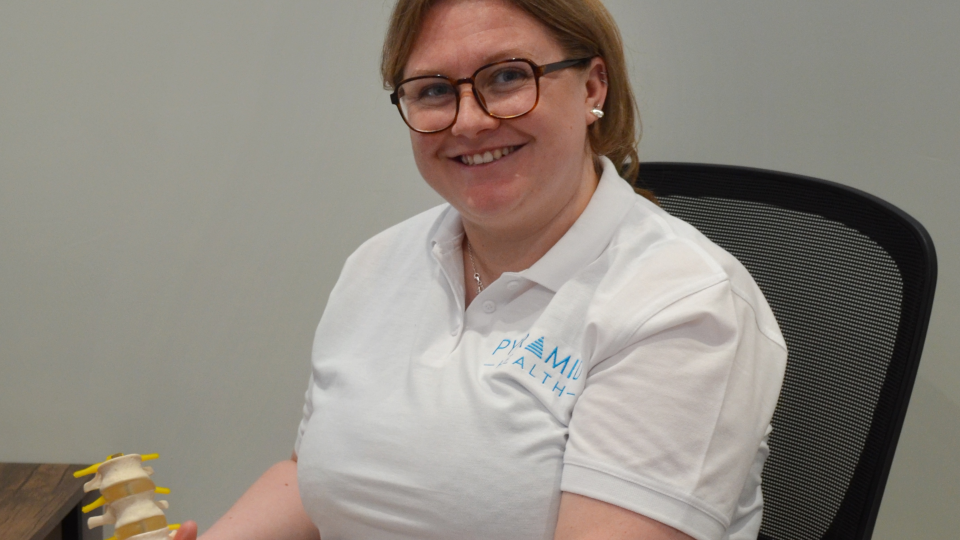
Pregnant women are athletes! They undergo 9 months of progressive loading leading up to a huge physical effort, You wouldn’t advise someone training for a marathon to not exercise for 9 months - so why is that so often the advice given to pregnant women who are “training” for childbirth?
That’s not to say that it’s easy. Pregnancy is a time of enormous change for the body. As your baby grows your posture, balance, breathing and movement patterns all begin to adapt. And it’s exhausting! While rest is important, staying active during your pregnancy also plays a vital role in supporting both your physical and mental wellbeing.
Why is exercise important?
As the body changes during pregnancy, muscles and joints often experience additional strain. Hormonal changes also increase joint laxity, and can alter stability particularly around the pelvis and lower back. Only 10-20 % of pregnant women continue to engage in light resistance training throughout their pregnancy even though it has been shown to:
Prevent excess weight gain
Improve mental health
Have a 60% lower chance of developing gestational hypertension
Have a 40% lower chance of developing gestational diabetes
Have a 50% lower chance of perinatal mood disorders
Have a 30% lower chance of macrosomia (baby born >4000g) (Prevett et al. 2025)
What types of exercise should I be doing?
For most women, 150 minutes of moderate intensity exercise is recommended per week. This can be broken up into different sessions. Most ways that you kept yourself active pre-pregnancy can be continued, but some are recommended more than others. Exercises that focus on posture, pelvic stability, breathing and core control can be particularly helpful. Types of exercise to consider:
Resistance training
Walking
Swimming (particularly helps if you have a heavy bump, as the water supports up to 90% of your body weight!)
Pregnancy yoga
Dancing
What should I be aware of?
There are some things that you should be keeping an eye on:
Making sure you warm up and cool down
Listen to your body - signs that you need to stop
Dizziness
Shortness of breath
Chest pain
Vaginal bleeding
Painful contractions
Significant pain
If it is difficult to talk, it is too strenuous
Sports to avoid:
Contact sports such as judo, kickboxing and rugby
Scuba diving
Pelvic Floor Health and Diastasis Recti
During pregnancy, your abdominal muscles can lengthen up to 115% of their resting length. At the due date, 100% of women have a diastasis, by 6 months that is down to 39% and by 12 months postpartum 32% women still have a diastasis.
A diastasis recti is the thinning of the midline fascia, known as the linea alba. This runs down the midline from your ribs to pubic bone and connects either side of the abdomen wall together, however the thinning can be at various locations and varying degrees down the abdominal wall.
Diastasis is a completely normal adaptation to pregnancy and doesn’t always indicate that there is a dysfunction or weakness. However, for some women long term it can contribute to a reduced core control, feeling of instability, abdominal doming or pelvic floor issues.
For a percentage of postpartum women, improving the diastasis can be as simple as properly activating the core muscles, whereas for some women it can be a lot more work.
Pregnancy is also an important time to consider your pelvic floor health. The pelvic floor muscles help to support your bladder, bowel and uterus and they play an important role during your labour, recovery and postpartum.
Learning how to properly engage and relax the pelvic floor and belly breathe can help with the risk of prolapse and long term diastasis.
Importantly the pelvic floor should be strong, but should also have the ability to relax. Many women are constantly told to “squeeze” their pelvic floor, but their ability to relax is equally as important during labour.
What About My Specific Needs?
Every pregnancy is unique and individualised, and so your exercise should be. In most pregnancies, staying active is a safe and positive way to support both mother and baby through pregnancy and postpartum.
The goal is not perfection, but maintaining comfortable movement to support wellbeing and to help the body to adapt to the many physical changes that occur during pregnancy.
Exercise during pregnancy is not about “bouncing back”. It is about supporting your body through one of the biggest physical events that it will ever go through. Staying active can help women to feel strong, powerful and confident throughout their pregnancy and postpartum.
Pregnancy can often feel like walking a tightrope, where the rules feel vague and at times contradictory. If you’d like reassurance and a professional opinion on how to stay active and healthy through your pregnancy, book a consultation with Yasmin below or call us to discuss now!