
Chiropractic Nutrition Success Stories
Last year, we started selling clinical grade supplements in clinic. To say I was wary would be an understatement - I hated the idea of being the “crank Chiro” who treats Frozen Shoulder with echinacea or something. But it’s been a quiet revolution in my practice.
Some patients are really straightforward. You find the problem, fix it, and they get better at the rate you expect.
But others have symptoms that don’t quite make sense. They’re hypersensitive, or incredibly slow healers, or they have and endless list of symptoms that are seemingly unrelated. As practitioners we’ll never know everything - but the last 12 months has really started to light up what I now realise was a significant blind spot of mine - nutrition.
So I wanted to illustrate the point better with a few case studies which show the power of adding in some of the right stuff. Nothing fancy - a few “Keystone Nutrients” as we like to call them. These outcomes were particularly satisfying for me, as it felt like I exceeded the patient’s expectations, as well as my own, and helping someone get back a part of their life they’d given up on is truly the “Everest” in our line of work.
The Golfer Who'd Given Up On Chiropractors
John is in his sixties. He'd had back pain for over a decade. He'd seen chiropractors before coming to us, and the pattern was always the same: treatment helped for a bit, then it wore off. He'd basically concluded that chiropractic "only works short term" for him.
Golf, which he loved, had become more chore than pleasure. He was tired all the time, but at his age, he'd stopped expecting anything different. When I looked at his medication list, I started wondering whether there was more to his picture.
Statins for cholesterol, metformin for blood sugar and a handful of heart medications. Some very common prescriptions to treat some very common maladies. But each one affects nutrient levels in ways that rarely get discussed.
Statins work by blocking an enzyme called HMG-CoA reductase. The problem is, that same enzyme is needed to produce CoQ10—a molecule your muscles rely on for energy. Block the enzyme, block the CoQ10, throttle your cells’ ability to make energy. That's why muscle pain and fatigue are such common statin side effects. Statins also reduce Vitamin D levels, and low Vitamin D primes your immune system for inflammation. More inflammation means a lower pain threshold and slower healing.
Metformin, meanwhile, blocks B12 absorption in the small intestine. Over months and years, B12 levels can quietly drop. B12 is essential for nerve function, energy production, and keeping homocysteine (an inflammatory marker) in check.
John had been on these medications for years with no nutritional support to offset the effects.
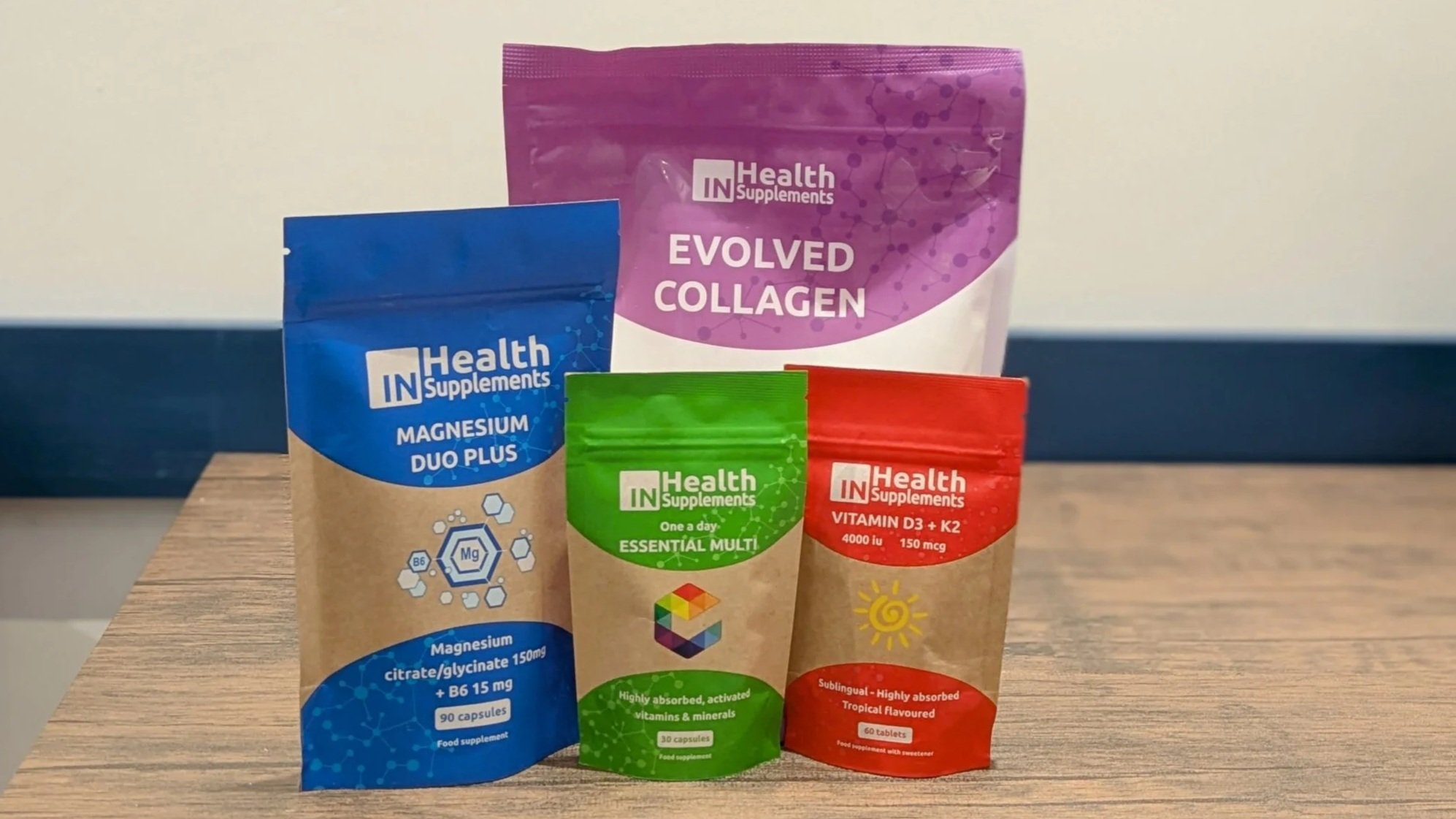
We started him on Vitamin D, magnesium, and a multivitamin to cover the B12 and folate.
Three days later, he said he felt the best he'd felt in years. I was as surprised as him to be honest, although he did continue to improve for a little while. And his back isn't perfect. He still comes in regularly, still loves a beer and he still doesn't always do his exercises. But his energy is transformed, his mobility is better and golf is fun again.
The adjustment mattered. But so did replacing what his medications were quietly depleting.
The Young Woman Who Hurt Everywhere
Sarah is in her thirties. She came in with pain across her entire spine, regular headaches, a history of plantar fasciitis in both feet, and energy so low she was struggling to function. She was also on Mounjaro for weight loss, which had plateaued.
A B12 supplement seemed worth trying given the fatigue, so we started there. But the turning point came from somewhere unexpected.
She brought in a lateral flow Vitamin D test she'd bought at a local store. I wasn't entirely sure how accurate it would be, but the result was striking. If it was even close to correct, her levels were severely low.
This surprised me at first. Sarah is fair-skinned and in her thirties. You'd expect her to be a Vitamin D making machine. But when we talked about her habits, it made sense. She works indoors. She doesn't spend much time outside. When she does go out in summer, she always puts on sunscreen first. She'd essentially eliminated her body's main source of Vitamin D.
Here's what happens when Vitamin D levels drop: your immune system shifts into a more inflammatory state. Inflammation lowers your pain threshold. Your nervous system becomes more sensitised. Muscles ache, joints stiffen, and fatigue sets in. It's measurable biology and it’s more common than you’d think—nearly 9 in 10 people in the UK are deficient in winter, and even in summer it may be as high as 6 in 10.
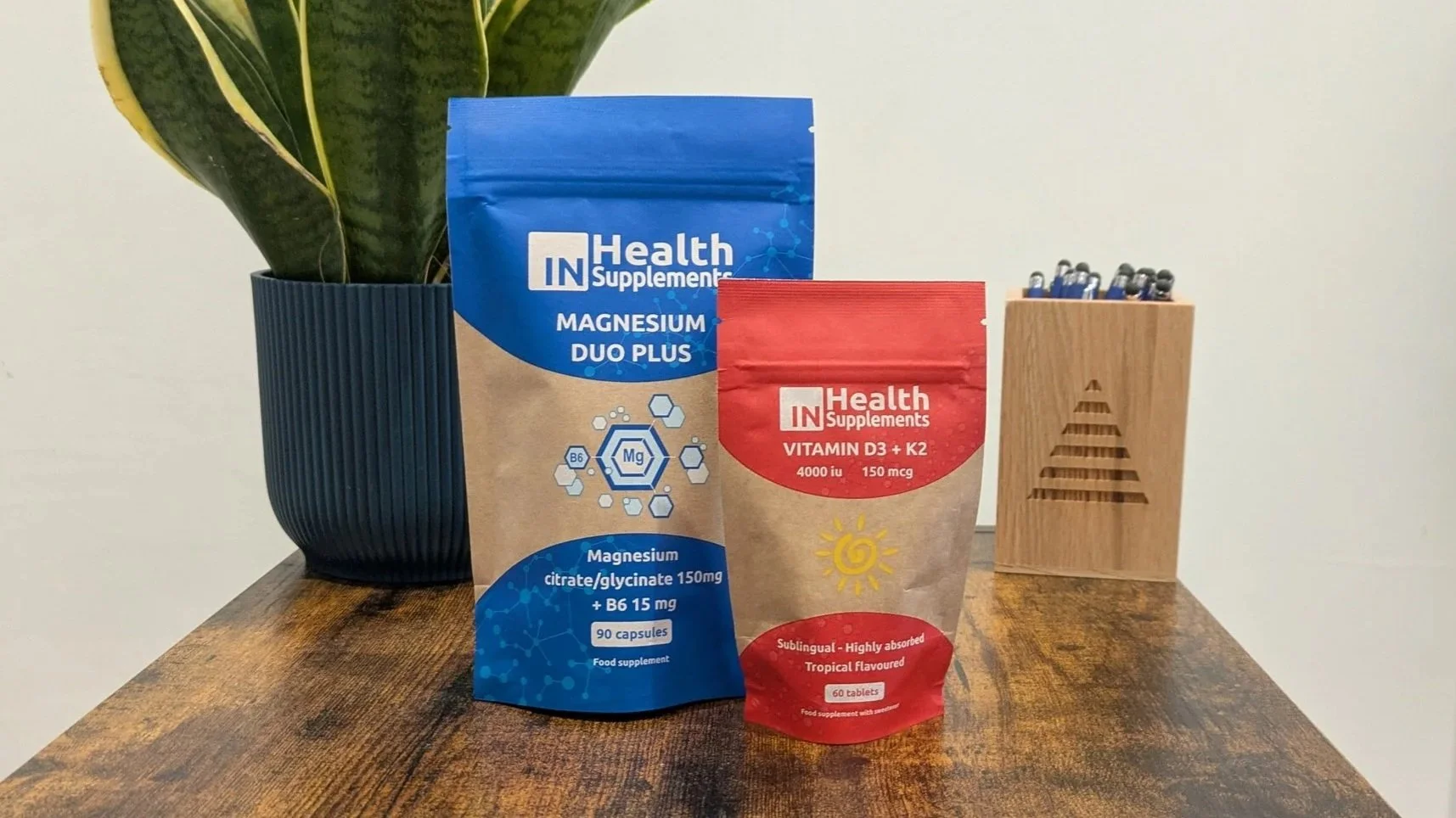
Within a week of supplementing, she told me her stiffness was easing and, in her words, "the fire had been put out" across her back.
Treatment is ongoing. There may be more to uncover with proper blood testing. But her movement is easier and her pain is massively reduced from when she first walked in; this young woman doesn’t feel “ill” any more.
The Long-Term Patient Who Didn't Know She Was Missing Anything
This one is harder to talk about because Emma has been a patient for years. She's happy with her care. She gets good relief from her tension headaches and we'd settled into a comfortable maintenance routine.
And that's exactly what made it difficult.
When someone isn't complaining, suggesting a different approach feels unnecessary. Why change something that's working? But I kept noticing patterns. The headaches, the migraines, the history of mood problems. These have well-established connections to B vitamins and methylation.
Methylation is a biochemical process that happens billions of times a day in your body. Among other things, it's how you make neurotransmitters like serotonin and dopamine. It's also how you break them down. If methylation is impaired—whether from genetics, diet, or absorption issues—neurotransmitter regulation suffers. Mood dysregulation, migraines, and fatigue are common consequences.
Emma wasn’t sure about supplementing - she’d tried lots of different supplements before and besides, her latest B12 result had come back “normal”. After a couple of conversations, she agreed to try Methyl B Hero. It's a methylated B vitamin supplement that some people absorb and use far better than standard forms.
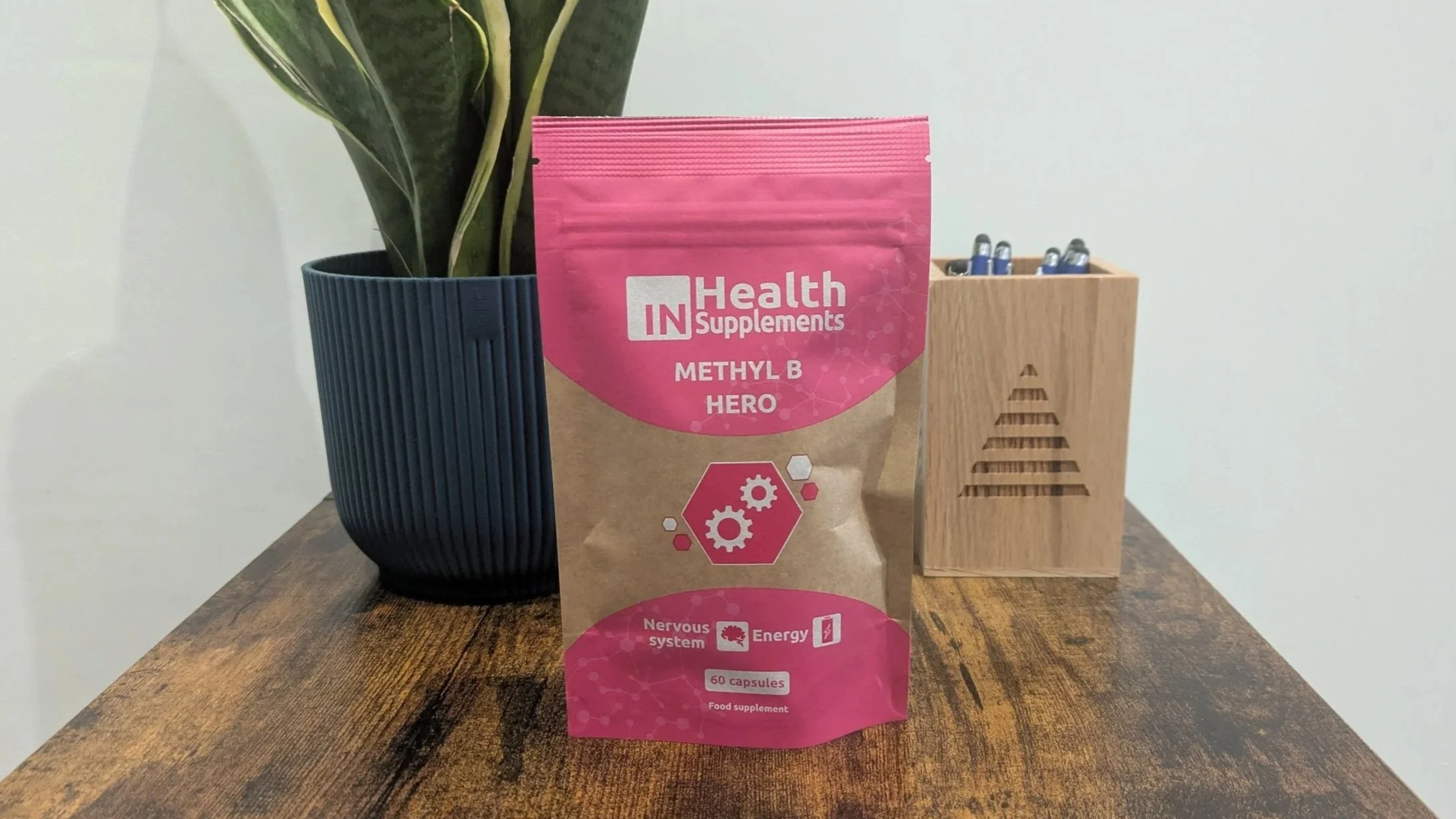
The energy improvement came first. She felt better overall, more resilient. Good results, but not unusual when you’re bringing B12 levels back up to optimal.
But then she sent me a voice note that stopped me in my tracks.
Emma has suffered with PMDD her entire adult life. And this month, she'd had to check her menstrual tracker app because at a time when she would normally be going to a very dark place, she felt completely normal.
A Word About PMDD
For anyone unfamiliar: PMDD is not regular PMS.
Premenstrual Dysphoric Disorder affects somewhere between 3% and 8% of women. The symptoms include severe depression, sometimes with suicidal thoughts. Extreme mood swings. Anxiety. Feeling completely out of control. It typically hits in the week or two before menstruation and lifts once bleeding starts.
Women with PMDD describe it as losing themselves for part of every month. Relationships, work and quality of life all suffer. Some women have called it like having two different people living in one body. It's not talked about enough, and it's often dismissed as "just bad PMS." It isn't.
The connection to B vitamins is well-established biochemistry. B6 specifically helps convert glutamate (an excitatory neurotransmitter) into GABA (a calming one). Folate is critical for serotonin and dopamine synthesis. When these pathways are undersupported, mood regulation becomes harder—especially during the hormonal shifts of the menstrual cycle.
Emma had been dealing with this for decades. One supplement made the difference - inside a month.
The Next Level Of Care
For too long I’ve been focused on the spine and how it affects quality of life for my patients. I was sceptical about how much of an impact a high quality supplement can have in the right patient, and stories like these show what my patients and I have been missing out on.
So we’ve revamped our intake forms and we always have stock of the most commonly beneficial supplements - we’ve widened our scope and raised our expectations of what we can do with our patients. Once you see it for yourself, there’s no going back.
This year we’ll be starting to offer blood test analysis too. If you want the best possible picture of what’s going on in your body, ask us about our range of at-home blood tests from Optimal Testing.
Sound Familiar?
These stories might resonate if you:
Take long-term medications, especially statins, metformin, PPIs, or hormonal contraceptives
Have persistent pain or fatigue that doesn't fully respond to treatment
Experience mood changes, brain fog, or low energy
Avoid sun or eat a restricted diet
Feel like something's off but can't put your finger on it
If that sounds like you, bring it up next time you're in. Sometimes there's more to the picture.